
How to make your APIs available to more consumers

In Postman’s Guide to API-First, we elaborate on how API producers and consumers interact in a full API lifecycle. Producers and consumers go through multiple stages for multiple times on a regular basis. An important part of this journey is how the APIs are made available to consumers for evaluation and, finally, for integration into their workflow.
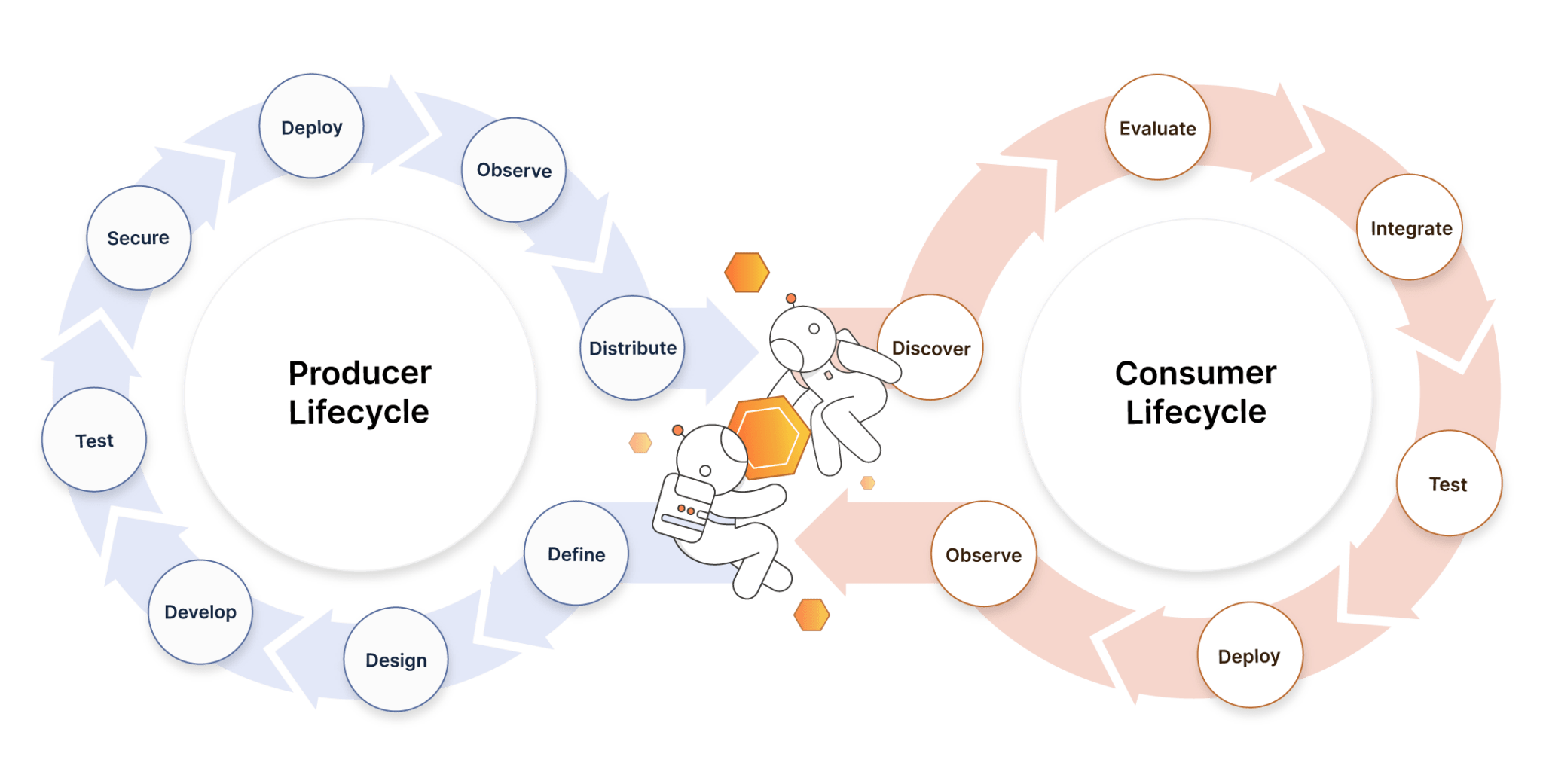
In this blog post, let’s take a look at how APIs can be made more readily available for consumption using Postman.
Producers can publish a version for consumers
If you’re an API producer who has completed an iteration of your API’s development, you can make your API available for consumers to use. This is where publishing a new API version in Postman comes in handy. Versions are a locked state of an API at a certain point in time. A version is referencable, complete with documentation, and ready for endpoint evaluation.
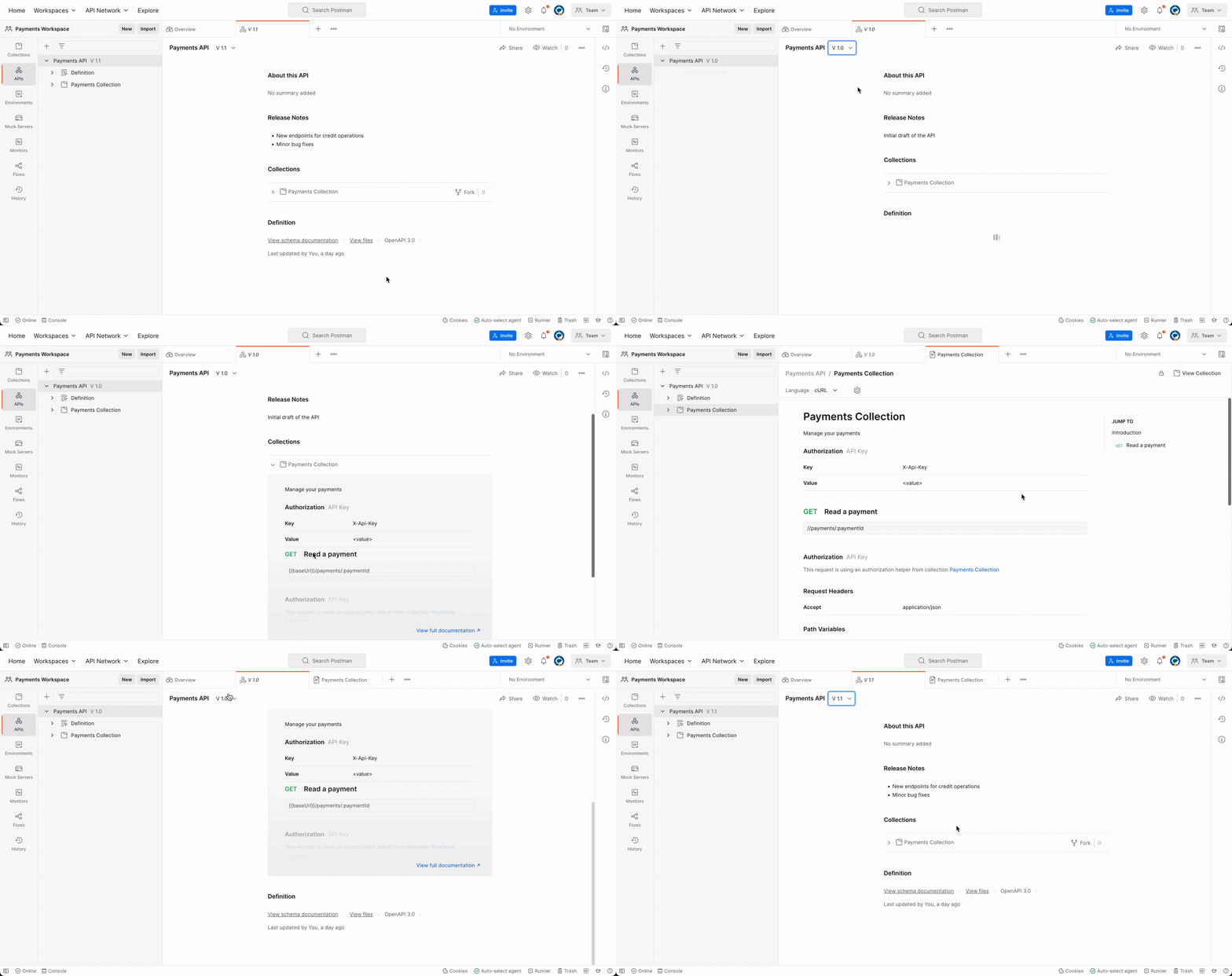
If at least one version of an API isn’t published yet, consumers will see an empty API, and they will have to wait before they can begin consuming. After that, they will always see the latest version of an API while navigating to it. But they can always look at older versions. This ensures that only the intended copy of an API is consumed.
The video below shows how to publish a version of an API:
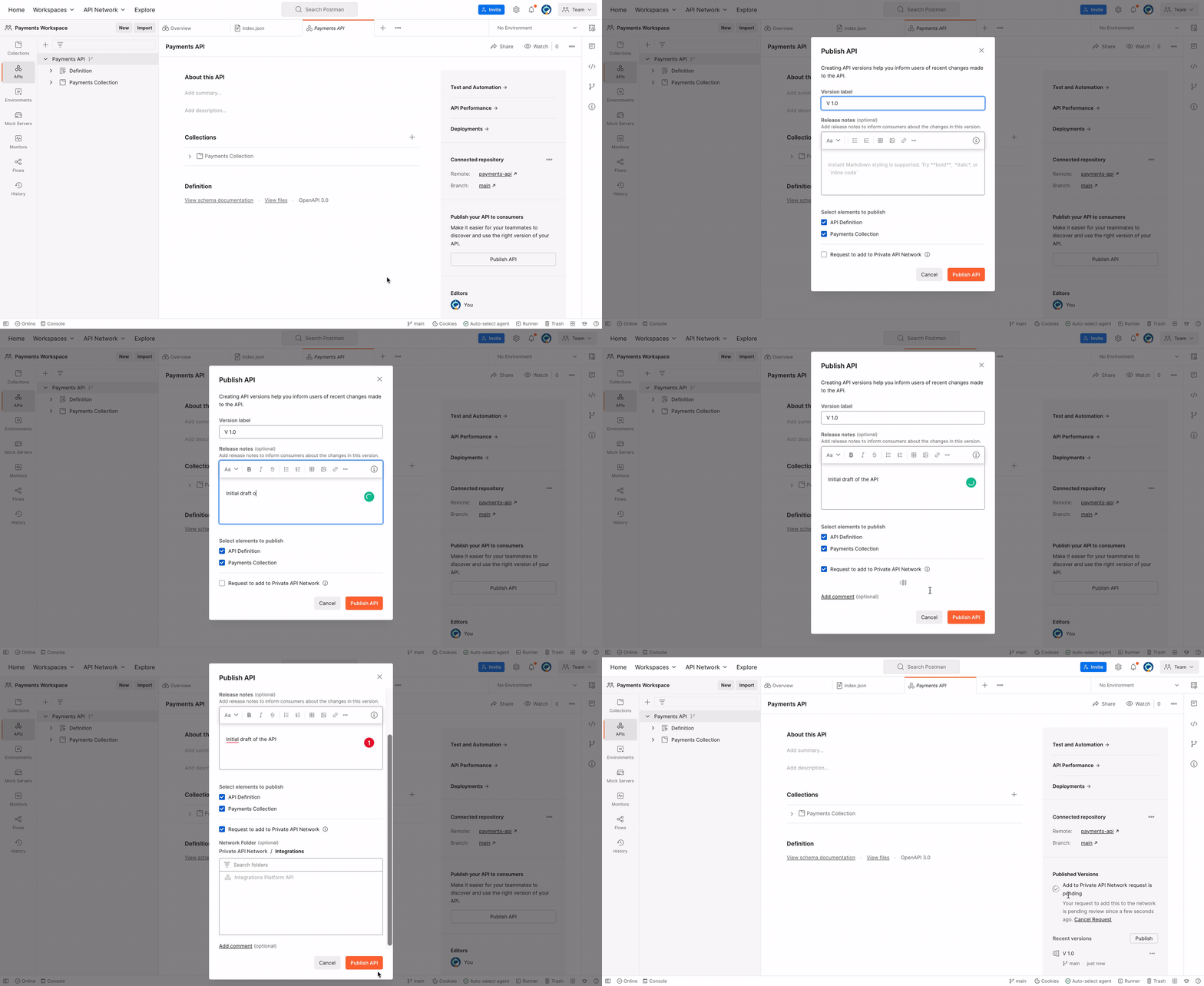
Listing your API on the Postman API Network
In teams where there is a lot of internal and external APIs, API discovery becomes a major issue—knowing which API and what version to consume is hard and requires a lot of intra-team communication. Postman allows you to add your APIs to the Private API Network, which is a catalog of all the APIs and their latest versions. Producers and consumers don’t need to worry about communicating the release of new APIs and versions via inefficient means.
Once the API is listed on the network, every time a new version is created, it automatically becomes available on the API network for consumption.
Follow the steps in this Learning Center page to list your API on the Private API Network.
Consumers can discover and start evaluating APIs
As a consumer, you can now start by navigating to the API in a Postman workspace (if you are aware of the workspace and the API in the first place), or you can search on the Private API Network or directly in a team.
Once you find the API you’re looking for, you will see the latest version that is available for consumption. If no version is available for consumption, wait for the API producer to publish one.
You can now start evaluating an API by looking at the schema and the collection documentation associated with the latest version. You can always navigate back to the older versions to see how the API has evolved over time. You can send requests, inspect responses, and more.
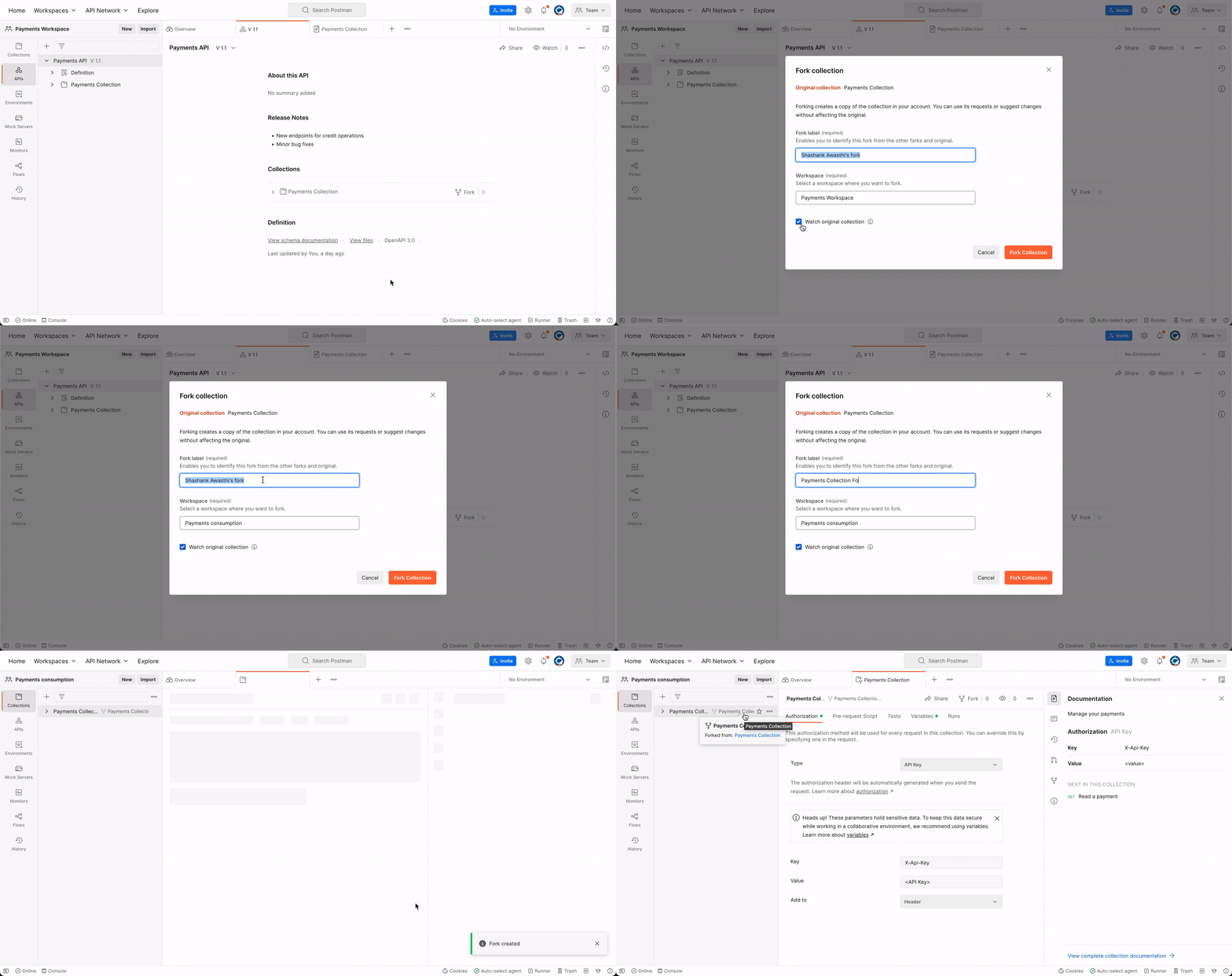
Then, if you want to integrate an API into your workflow, you can now fork the collection into the workspace of your choice. Every time a new version of the API is available, you will be notified and can pull the changes from the parent collection in the forked collection. This ensures that you don’t miss out on the newer versions of the API being published.
With these Postman features, it’s simpler than ever to not only make your APIs easily available to more potential users, but you can ensure consumers are working with the best and latest versions.







What do you think about this topic? Tell us in a comment below.