Viewing 64 Results for API 101

GET vs POST: Understanding HTTP Request Methods

Quick answer: GET vs POST GET retrieves data without changing anything on the server, while POST sends data to create or modify…

Put vs Post: Choosing the Right HTTP Request Method
Quick answer: PUT vs POST PUT and POST are HTTP methods used to send data to a server in REST APIs, but…
What is HTTP?

HTTP (Hypertext Transfer Protocol) is a set of rules that define how data is transferred between a client and server on the…
REST vs. SOAP APIs

REST vs SOAP key differences REST is an architectural style for building APIs. It uses HTTP and standard web protocols, allowing systems…

What is caching?

This is a guest post written by Allen Helton, ecosystem engineer at Momento. “It’s probably a caching issue.” No matter how long…

What is XML?

XML, which stands for “Extensible Markup Language,” is a data exchange format that is readable by both humans and machines. XML uses…

What is PKCE?
PKCE, which stands for “Proof of Key Code Exchange” and is pronounced “pixy,” is an extension of the OAuth 2.0 protocol that…

What is JSON?
JSON, which stands for “JavaScript Object Notation,” is a lightweight, text-based data exchange format that both humans and machines can write and…

REST API interview questions

APIs are the building blocks of modern applications, and it’s becoming more common to see “knowledge of REST APIs” listed as a…

API testing interview questions
So, you have a big job interview coming up, and you know they’re going to grill you on your API testing knowledge….

What is OpenAPI?

OpenAPI, formerly known as Swagger, is an interoperable, machine-readable, and human-friendly specification format that is used to define HTTP APIs. It relies…
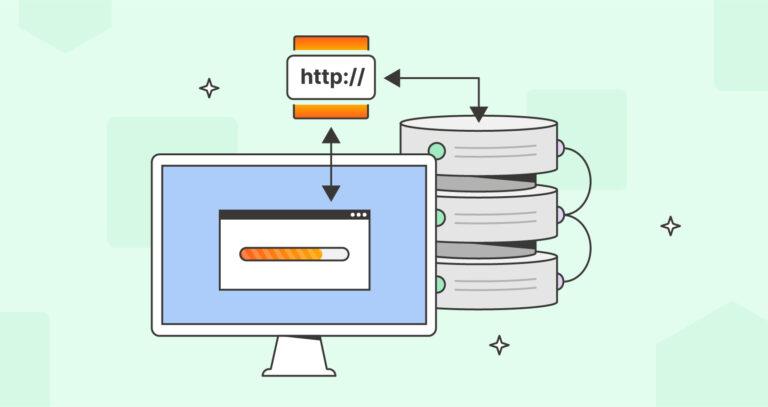
What are HTTP methods?
HTTP methods are used to indicate the action an API client would like to perform on a given resource. Each HTTP method…